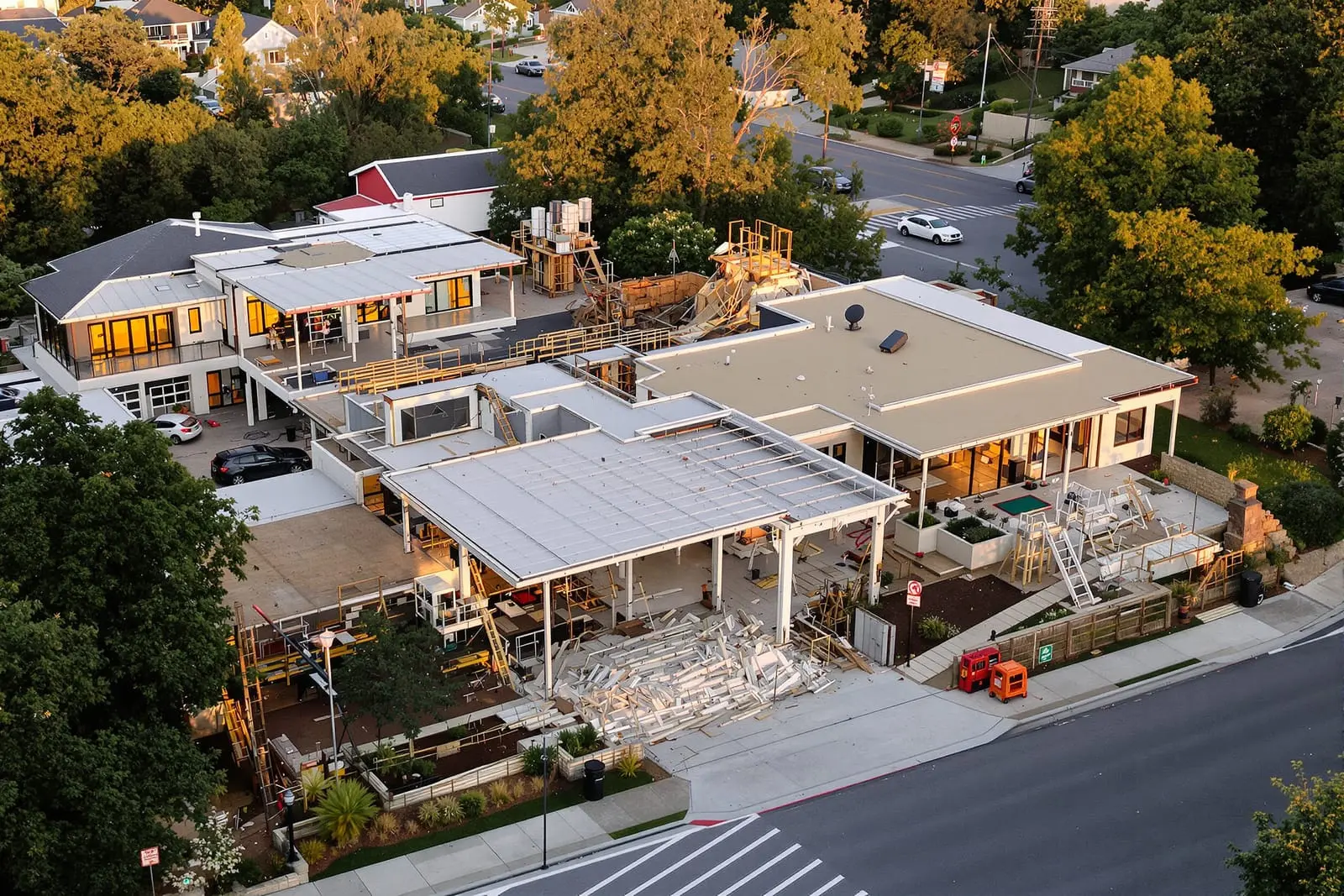
We perform bridge demolition in Murfreesboro, TN and surrounding areas for transportation and civil projects. Our team coordinates road closures, detours, and environmental protections while removing spans, piers, and abutments. Precision planning keeps infrastructure projects on schedule and safe for the public.
Wrexo Demolition Murfreesboro provides professional bridge demolition throughout Murfreesboro, TN and the surrounding area. Our licensed, insured crew delivers safe, clean, on-time work with a free estimate before anything begins. Call (629) 276-6705 or request your free quote.
Bridge Demolition Specialists Serving Murfreesboro and Middle Tennessee
Bridge demolition is not just “knocking something down.” It is a carefully engineered process that has to protect workers, the public, nearby roads, rivers, and utilities. At Wrexo Demolition Murfreesboro, we focus on bridge and civil structure demolition across Rutherford County and the greater Middle Tennessee area, and we tailor each plan to the exact bridge type, traffic conditions, and site constraints.
Around Murfreesboro, we regularly see highway overpasses, creek and river crossings, and older concrete or steel bridges that need to be removed for replacement or widening projects. Each one behaves differently under demolition. For example, a short concrete slab bridge over a small creek on a county road is handled very differently from a multi-span steel girder bridge over Interstate 24.
When you call Wrexo Demolition Murfreesboro about bridge demolition, we start with a site visit and a review of the existing plans and inspection reports. We look at the structure type (concrete, steel, composite), abutments and piers, deck thickness, reinforcing pattern, and any previous repairs. We also identify what is around the bridge: traffic volume, nearby businesses and homes, overhead lines, underground utilities, and environmental sensitivities like streams, wetlands, or greenways.
Based on that, we outline several safe removal options, with preliminary time frames and cost ranges. Our aim is to give you clear, practical choices so you can coordinate with your engineer, general contractor, or public works department without surprises later on.
How Bridge Demolition Actually Works, Step by Step
A successful bridge demolition follows a tight sequence to manage safety, traffic, debris, and schedule. Here is how projects around Murfreesboro typically run with Wrexo Demolition Murfreesboro.
1) Planning and engineering review. We confirm as-built drawings when available, then verify in the field because older bridges often differ from their original plans. We evaluate load paths, potential collapse mechanisms, and any structural weaknesses that could change the demolition sequence. For more complex bridges, we coordinate with a structural engineer to design temporary bracing or partial sequencing.
2) Permits, traffic control, and utilities. Many bridge demolition jobs involve TDOT, the City of Murfreesboro, or Rutherford County. We help coordinate lane closure requests, detour layouts, and work-hour restrictions. If the bridge crosses a state route or I-24, demolition may be confined to night or weekend windows to reduce traffic disruption. We locate and verify utilities, both overhead and buried, and work with utility owners to de-energize or protect lines as needed.
3) Site setup and protection. Before any structural work begins, we set up barricades, signage, and physical barriers to keep the public away. For bridges over waterways, we typically install debris catch systems or floating booms and may place protective mats or timbers in the channel. If there are nearby properties, we can deploy dust curtains and vibration monitoring to keep impacts low.
4) Deck and surface removal. We usually start by removing asphalt or concrete overlay, guardrails, parapets, and sidewalks. This lightens the structure and exposes the main load-carrying members. Concrete decks may be saw cut into manageable panels and lifted by crane, or broken in place with hydraulic hammers, depending on the job requirements and access.
5) Superstructure removal. For steel girder or truss bridges, we generally dismantle spans in sections using cranes, cutting torches, and shears. For concrete beams, we may use excavators with concrete processors from the roadway below or from the bridge deck, depending on clearance and traffic plans. The key is to maintain stability while progressively removing support elements.
6) Substructure and foundation demolition. Once spans are gone, we remove abutments, piers, caps, and footings to the depth specified in the plans. This can involve hydraulic breakers, excavators, or saw cutting around piles. If the bridge crosses a creek or river, we coordinate in-water work limits and may phase pier removal to reduce disturbance to the channel and banks.
7) Cleanup, recycling, and backfill. Concrete is typically crushed for reuse as fill or base material on local projects, and steel is separated and recycled. We shape and compact backfill at former abutment locations, grade slopes, and remove temporary protections so the site is ready for follow-on construction crews.
What Drives Bridge Demolition Cost in Murfreesboro
Bridge demolition pricing can vary a lot, and understanding the real cost drivers helps you plan and budget accurately. At Wrexo Demolition Murfreesboro, we walk you through these factors before we commit to a final price.
1) Structure type and size. A short, single-span concrete slab bridge over a dry ditch will cost far less to remove than a multi-span steel bridge over an active four-lane highway. Concrete thickness, number of spans, height above grade, and access to both sides of the structure all affect the equipment and time required.
2) Access and traffic conditions. In Murfreesboro, many bridge removals happen over live traffic, rail lines, or busy routes like Memorial Boulevard and New Salem Highway. Night work, complete shutdown windows, or staged demolition around traffic lanes means more traffic control, lighting, and coordination, which raises costs. Conversely, if a bridge is already closed and approaches are easy to reach, costs can come down.
3) Environmental constraints. Bridges over creeks feeding the Stones River or over wetlands often require more extensive protection plans. Debris containment systems, silt controls, limited in-stream work windows, and inspection requirements add steps to the project. If your bridge sits near a greenway or park, we also plan for pedestrian detours and additional site restoration.
4) Utilities and nearby structures. Overhead power, communications lines, gas mains, or water and sewer lines near abutments require careful planning and sometimes temporary supports or relocations. Demolishing a bridge just a few feet from an active commercial building or residential area typically involves additional bracing, more precise cutting or lifting, and extra dust and vibration controls.
5) Debris handling and recycling. Disposal costs depend on haul distances to approved facilities and whether concrete can be crushed locally for reuse. In some cases, a project can save money by processing concrete on or near the site for use as fill or base on the replacement project, which we can coordinate with the general contractor.
6) Schedule and work windows. Tight schedules, such as “weekend only” closures, can require extra crews or larger equipment to complete the work fast. We see this frequently on projects that affect major regional routes. If your schedule is more flexible, we can sometimes phase the work to minimize overtime and equipment standby, which helps keep the budget in check.
Handling Complex Risks, Safety, and Local Conditions
Bridge and civil structure demolition comes with real risks that have to be controlled before any concrete is broken or steel is cut. Wrexo Demolition Murfreesboro treats risk and safety as a planning problem, not just a paperwork exercise.
Structural unpredictability is common, especially on older bridges that have seen repeated flooding, impact damage from vehicles, or undocumented repairs. We assume drawings may be wrong or incomplete and confirm critical details in the field. If we uncover unexpected voids, heavy corrosion, or inadequate bearing conditions, we stop, stabilize, and adjust the demolition sequence so the structure comes down in a controlled way.
In Middle Tennessee, weather matters. Heavy rain can raise water levels quickly under creek crossings, which affects crane placement, access, and debris containment. Winter freezes can make decks and equipment slick, and summer heat creates additional stress on crews and machinery. For many Murfreesboro projects, late fall and early spring are excellent times to schedule bridge demolition because traffic volumes ease a bit, temperatures are moderate, and flash flooding is less intense than in mid-spring storms.
We also pay close attention to dust and vibration, particularly near residential areas and older masonry buildings. Depending on your site, we can use low-vibration demolition methods, such as cutting and lifting deck panels instead of heavy hammering, or staged removal of beams to limit shock to adjacent structures.
Safety controls include detailed lift plans for crane operations, fall protection for crews working at height, fire safety when cutting steel, and strict exclusion zones under active spans. For bridges over active roads, we coordinate rolling roadblocks or full closures with law enforcement and DOT representatives to ensure that no traffic is under the structure during critical removal operations.
Finally, communication is part of risk control. For municipal and county clients, we often participate in preconstruction meetings with stakeholders so everyone knows when closures will occur, how noise and dust will be managed, and how emergency access routes are protected throughout the project.
Working With Wrexo Demolition Murfreesboro on Your Next Bridge Project
Whether you are a general contractor bidding a TDOT job, a municipal engineer planning a replacement bridge, or a private owner dealing with a failing private crossing, Wrexo Demolition Murfreesboro can handle the bridge demolition portion from start to finish.
Our typical engagement starts with a review of your project documents and timeline. We look at survey data, geotechnical information, and design drawings for the replacement structure so demolition is sequenced in a way that helps, not hinders, the next phase of work. If you are still in preliminary design, we can flag potential demolition challenges early so your engineer can adjust details like abutment removal limits or utility relocations.
For contractors, we provide clear scopes tied to plans and specifications, including traffic control responsibilities, environmental protection measures, and debris handling assumptions. We also identify any items that could turn into change orders, such as hidden bearing conditions or unknown utilities, so you can plan contingencies into your bid.
For municipal and county clients in and around Murfreesboro, we can assist with public communication materials that explain what neighbors should expect during bridge demolition: noise levels, work hours, detour routes, and general timeline. Clear expectations tend to reduce complaints and keep projects moving smoothly.
Throughout the project, you deal with a single point of contact who coordinates crews, equipment, and schedule updates. We keep you informed of progress and any field discoveries that might affect cost or timing, and we document the demolition process with photos and disposal or recycling tickets as needed for your records.
If you are planning a bridge demolition anywhere in Murfreesboro or the surrounding Middle Tennessee area, reach out to Wrexo Demolition Murfreesboro to discuss the structure, constraints, and your schedule. We will talk through realistic options, outline a safe and efficient approach, and help you integrate demolition smoothly into your overall project plan.
“
Professional bridge and civil structure demolition, done right the first time, quality materials, honest pricing, and results that last.
Wrexo Demolition Murfreesboro
Bridge and Civil Structure Demolition Across Our Service Area